
Nurturing Your yin, Qi and Inner Resilience
Winter settles over the world like a velvet curtain, softening the noise and dimming the lights so our bodies can hear themselves again. As we move toward the Winter Solstice, we enter the deepest Yin of the year, a season that invites us to slow down, gather our reserves, and reconnect with the quiet truth inside. In Traditional Chinese Medicine, this isn’t a luxury. It’s the assignment. Winter is a time of storage, preservation, and restoration. It’s the season that decides how strong our roots will be in spring.

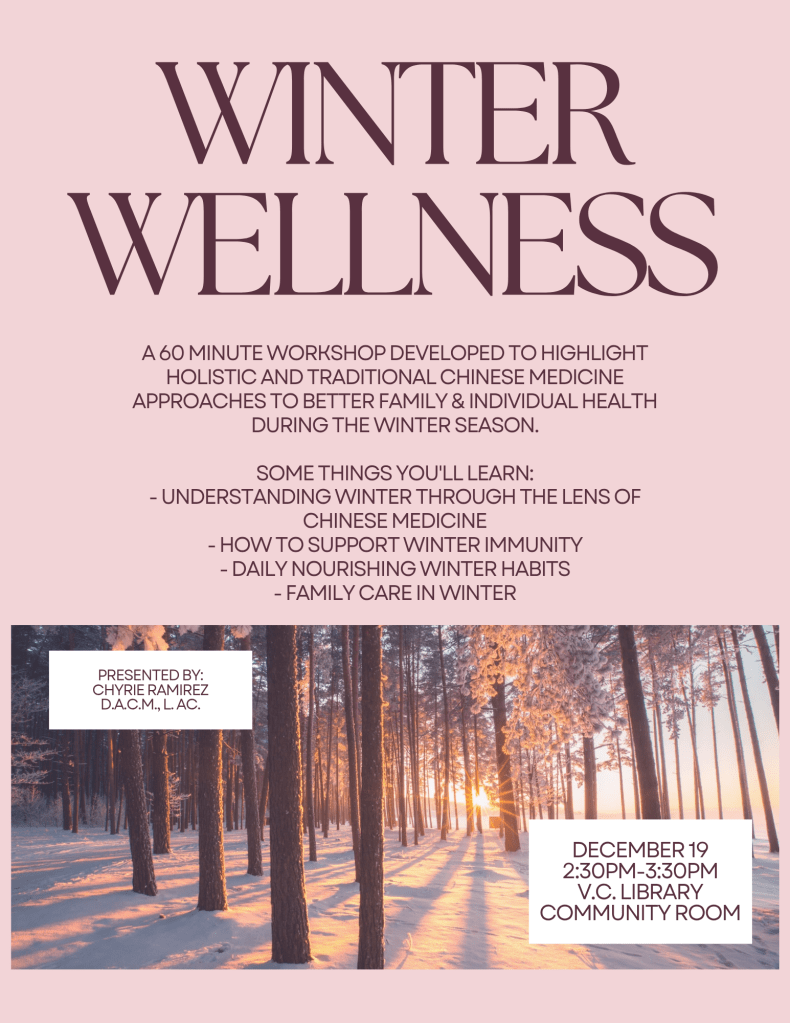
This article unpacks what it actually means to cultivate Yin, support Qi, and care for your body in a season designed for replenishment. Whether you’re navigating family life, stress, health challenges, or simply craving steadiness, winter gives you a chance to rebuild from the inside out. And if you want to deepen this work, our Winter Wellness Workshop later this month offers a guided and integrative path into this seasonal reset.
Understanding Yin, Qi, and the Winter Season
In the language of Chinese medicine, winter belongs to the Kidneys and the Water element. These systems are associated with your deepest reserves: energy, hormones, vitality, essence, and the ability to withstand stress. You can think of them as your internal power bank. Winter asks you to charge that battery rather than drain it.
Yin is the cooling, nourishing, moistening, restorative aspect of the body. It builds when we rest, when we stay warm, when we nourish ourselves intentionally, and when we give our nervous system space to settle. By the time the solstice arrives, Yin is at its peak, giving the body the raw materials it needs to rebuild strength, clarity, and resilience.
Qi, meanwhile, turns inward during winter. It contracts, descending into deeper layers to support internal processes. This is why people naturally crave more sleep, slower mornings, warm foods, and quieter social rhythms. None of this means you’re unmotivated or “off.” It means your body is syncing with what nature is already doing.
From a scientific perspective, winter brings changes in melatonin, cortisol, and circadian rhythms. The parasympathetic nervous system becomes more influential, nudging us toward lower sensory input and more nourishment. Our bodies are designed to winter. When we resist this seasonal rhythm, we often feel it: burnout, weakened immunity, emotional heaviness, and scattered energy.
How Deep Yin Affects Mood, Mind, and Immunity
Winter has a unique emotional landscape. It invites introspection, reflection, and stillness. This can feel grounding or uncomfortable depending on how much space you allow for it. When Yin is robust, the inner world feels stable, thoughtful, and contemplative. When Yin is depleted, that same quiet can feel like stagnation or overwhelm.

Immunity also lives in this conversation. In Chinese medicine, the strength of your Kidney system and the reserves you build in winter determine how resilient you’ll be in spring. Meanwhile, research shows that winter’s low light affects vitamin D, serotonin balance, and metabolic function. This is precisely why winter wellness requires conscious tending. Without support, the system can become sluggish, cold, and reactive. With support, winter becomes an incubator for your vitality.
Your nervous system is especially sensitive during this season. Winter naturally encourages deeper vagal tone, more parasympathetic activation, and a gentler internal rhythm. Practices like breathwork, slow movement, warmth therapy, and acupuncture help guide the system toward this grounded expression.
Gentle Lifestyle Tips for Winter Wellness
Winter wellness isn’t about discipline or optimization. It’s about nourishment, kindness, and strategic slow-downs that allow Yin to accumulate. Here are practices to anchor your season:
Nourish deeply.
Fill your plate with warm, slow-cooked foods. Think broths, stews, roots, mushrooms, seaweed, walnuts, black sesame, and mineral-rich soups. These foods support the Kidneys, warm the body, and build internal reserves.

Rest with intention.
Allow earlier nights and softer mornings. Create a sleep sanctuary that feels like a protective shell around your energy. Let your body follow winter’s quieter rhythm without guilt.

Warm the body, warm the Qi.
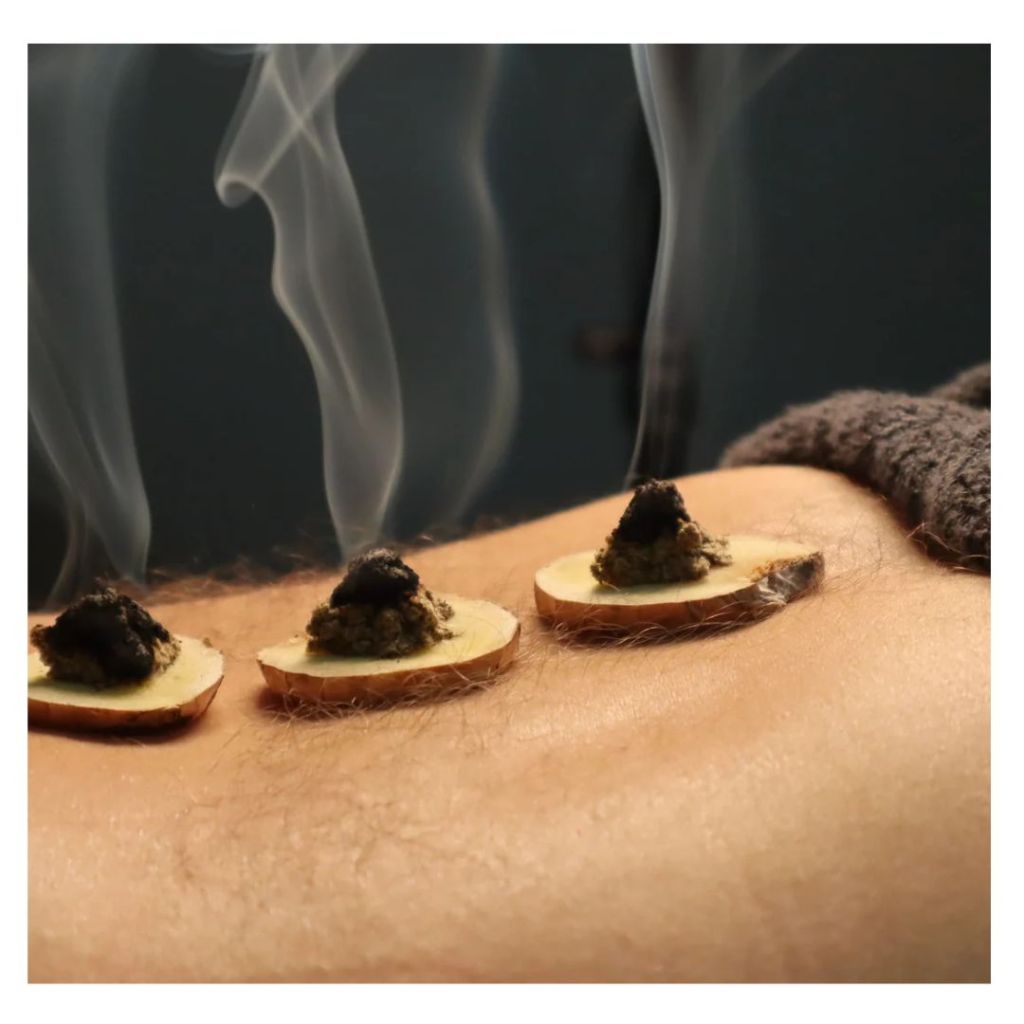
Use heat intentionally: warm socks, hot foot baths with ginger or magnesium, moxibustion, extra layers on the back and lower abdomen. Avoid excessive cold and raw foods, which can dampen digestion and drain energy.
Move slowly but consistently.
Choose movement styles that build strength without depleting Qi. Restorative yoga, winter walks, gentle strength training, and Qi Gong focused on the Kidney system help keep energy flowing while honoring the season’s pace.

Winter your emotions.
Journaling, quiet reflection, guided meditations, and intentional solitude can help you metabolize the year. Winter is the time to sift through what no longer belongs, and to gather the threads of what you want to create when spring arrives.

The Role of Acupuncture in Winter Wellness
Acupuncture is uniquely suited for this season. It can strengthen Kidney Qi, support warm Yang energy, balance mood, ease stress, regulate sleep, and reinforce immunity. Winter acupuncture sessions give your body the tools it needs to navigate the colder months without depletion.

Join Us for the Winter Wellness Workshop
If you want to embody these principles with structure, guidance, and integrative support, join our Winter Wellness Workshop later this month. We’ll explore seasonal rhythms, TCM winter wisdom, nervous system tools, and practical self-care rituals you can use all season long. It’s the perfect reset for anyone wanting to enter the solstice nourished, grounded, and supported.
Winter isn’t a pause. It’s preparation. Let’s honor it together.
 Rooted: THW
Leave a comment